
(Original) Extended Artist Bio: Germán Ferreira
Mar 16
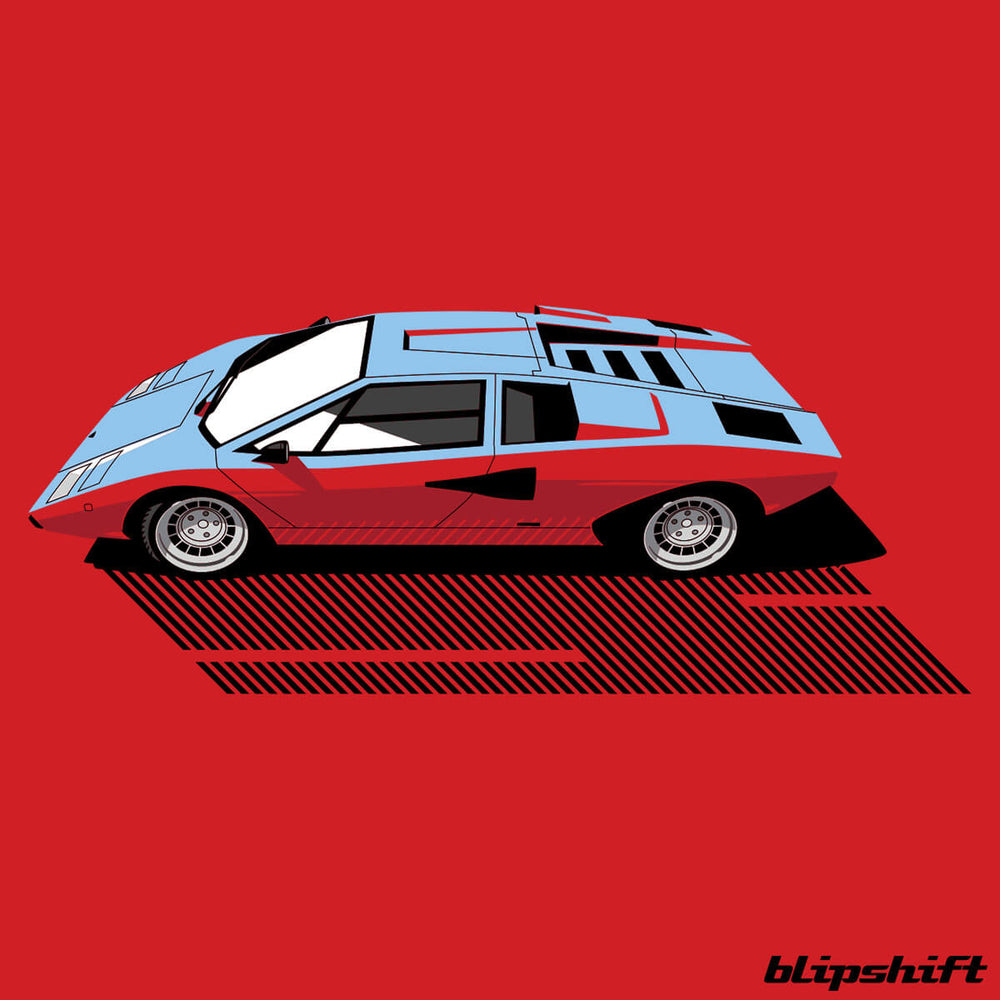
Germán thrives when immersed in a world of color, blending and mixing inspirations from throughout art history, contemporary digital design, and the many natural wonders that Argentina has to offer. The automotive form has long been a fascinating canvas for his curiosity, both in how strokes meet sheetmetal, and how one can draw inspiration from the many stories born from manufacturing decisions. This all coalesces into dozens of gallery-ready works, including "Turning Tail", "No Diagonals", and "Pixelman".
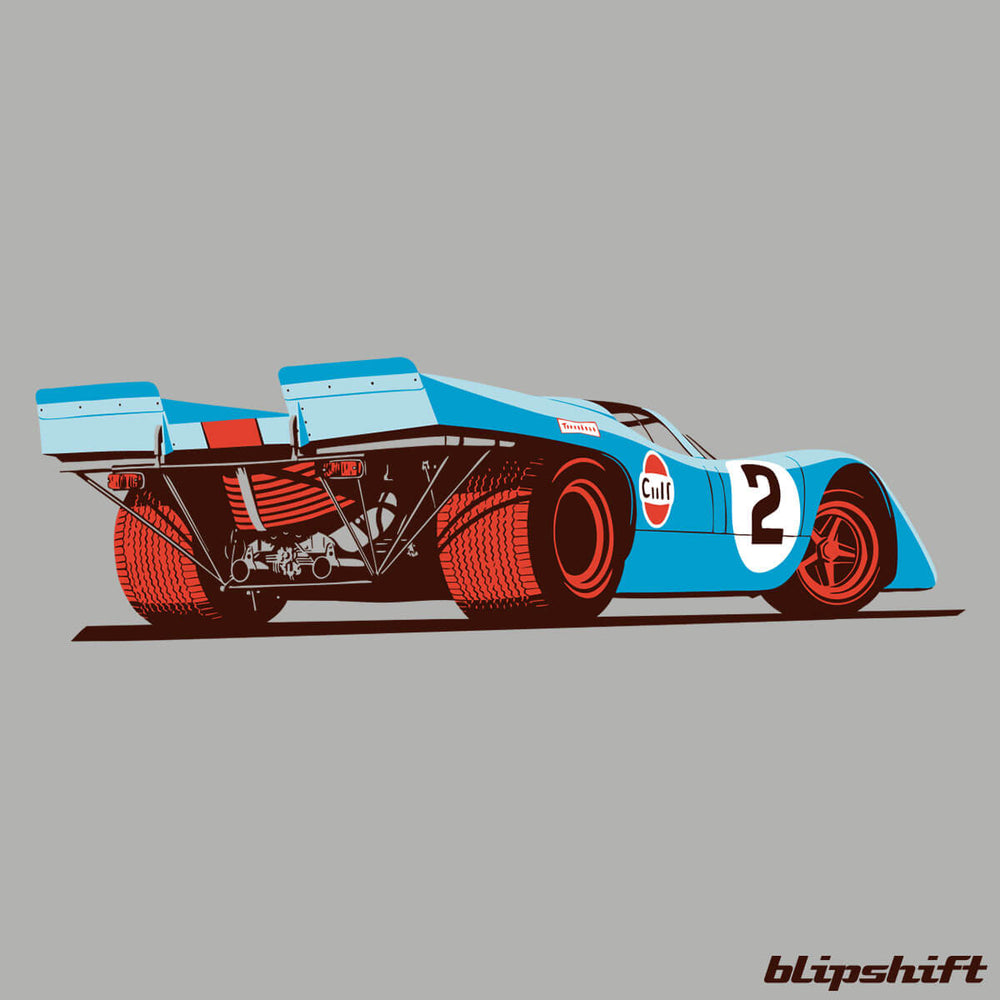
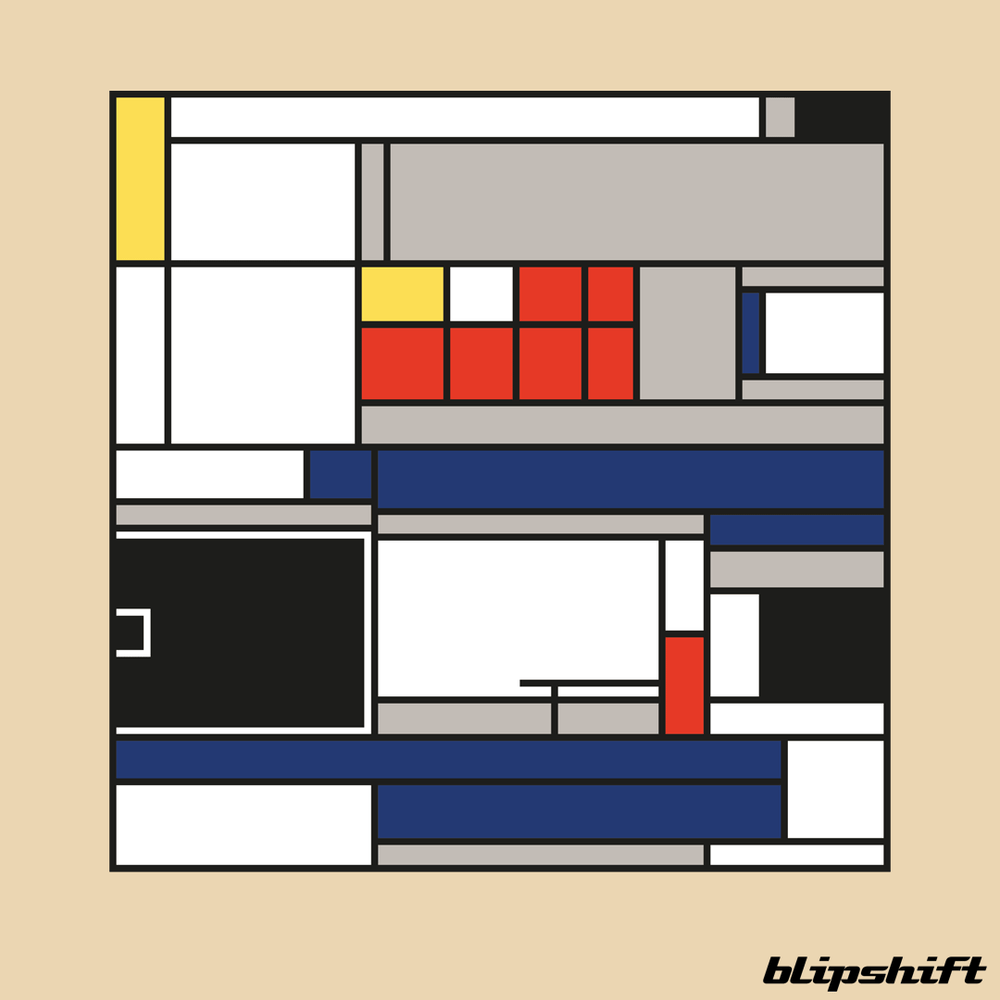
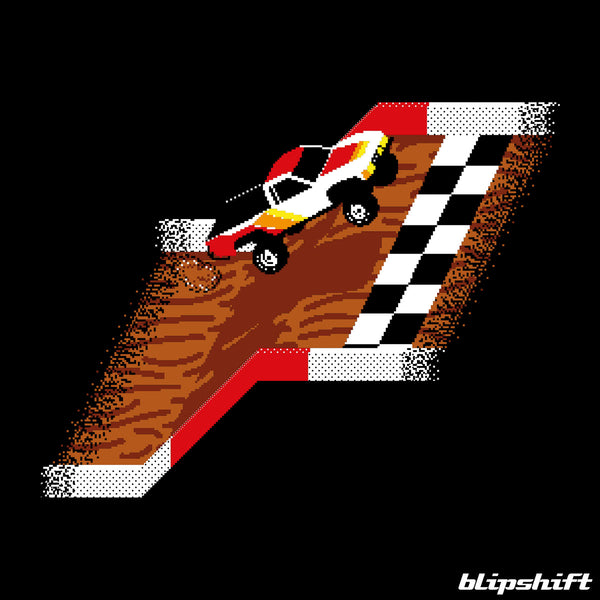
Germán took a beat to talk to us more about his history and his process.
How did your interest in cars start?
Not really sure! Maybe something father-related; ever since I was a kid, we used to talk about cars we saw on the streets, and I remember him bringing some Spanish car magazines that I loved and read multiple times, which later led me to buy tons of them for myself. We used to go to every motor show, no matter how small it was. Even though he wasn’t an enormous fan of cars, he liked them enough to make it grow on me.

I should also mention the meaning of having a car in a suburban area. As a kid, it meant long-distance family trips across a vast country (in my case to Paraguay, Uruguay, or the coastal city of Mar del Plata), and in adulthood, it meant a sense of autonomy, helpful for reaching distant nighttime social destinations like cinemas, clubs, or malls.

Finally, my love for illustration! I drew all the time during my childhood, with cars as the subject, and as a young adult when I took a car design course.


How does your interest show itself?
I love to travel with my girlfriend and our dog, “Fainá”. It’s a real pleasure for us to take any route through the vastly varied landscapes of the immense country of Argentina, with the freedom of choosing spots to stop by, or how far to go.

Artwise, I have an Instagram account, Modelo81.ilustracion, where I cover local car culture via illustrations and stories of people inside and outside of this petrolhead world. I don't post as often as I should, but you'll often find me participating in challenges like #inktober, and I'm always open to new ways of expressing my love for cars to the community.


Besides drawing, I read tons of car books and articles, not only about design, but also engineering, racing, sociology, gender, politics, urbanism, etc. I take the automobile as a great symbol of the past in a less-nostalgic sense; it's a way to understand the present and future of an industry with fast-paced challenges.

I'm also putting together a small collection of 1:64 scale cars, focusing on concept, wedge, and old racing cars, along with other random ones.

What is at the top of your automotive bucket list?
The first thing that comes to mind is visiting iconic museums and exhibitions around the world. German, Italian, or American makes, and classic events like Retromobile, Pebble Beach, etc. I visited Classic Remisse in Berlin, a kind of open workshop and garage for classic cars, and I was truly amazed, much more than I had expected!


I would also love to attend an F1 GP, if possible at a prestigious racetrack, to breathe the petrolhead atmosphere in real life. I have Monza in my mind because my girlfriend loves Italy, and I would like to witness the Italian passion of the tifossi, so that would be a perfect match!
Besides attending the annual AutoClásica classic car convention whenever I can, I recently went to the first Carbriata Concours, an event organized entirely by a local automotive influencer. He aimed to capture some of the spirit of Goodwood by including, in addition to the static car displays, areas where you could see the cars in action, on a section of a racetrack where the event was held. It was a fantastic first event, with 200 various cars, 12,000 people, plenty of car noise, and the smell of engines. Already looking forward to next year's event!


Going back to creation, I have a raw idea of expanding my thoughts to the car community by a newsletter or a series of articles, where I can express some ideas, opinions, or stories around the expanded world of the automobile in a hybrid space of illustrations and text, Safety, politics, sociology, style, urbanism, etc. I strongly regard cars as a fantastic way to tell the story of a time period with its lights and shadows, and I’m fascinated by the idea of spreading this car-madness to non-fanatics as well. Ultimately, I would love to evolve this idea in the future with a printed book, because we all love printed books!
What's in your driveway, and what makes it special?
I have a not-special-at-all 5-door, 2-liter grey commuting Focus Mk3. I'm very rational about my cars, in part because in Argentina, new and used ones are a very expensive thing to buy and maintain. Plus, I don't have any racing experience yet, so I'm not so inclined to prioritize anything beyond comfort, safety, and a decent aesthetic. As a subtle backdrop, I enjoy it when we take a route out of the city.
What was your first car? Any brand loyalty?
My first car came in when I was in my 30’s, and it was a cute local Volkswagen called Gol Trend. A Brazilian distant relative of the Golf, cheaper and robust enough, and fun!

I was working in the VW factory, so I had a nice discount, and the next ones were also VW. It became more like a price loyalty!
What's your dream car?
In a rational sense, again, I'm inclined to desire a slightly more capable off-road vehicle. Something like a Subaru XV, because I don’t really love the SUV shape, to get to more diverse destinations without the risk of breaking a tire. It should also address the compromise of a compact car for the city and the space in the garage.
If I could ask for more, it would be for a two-car solution, with a small car for commuting and a mid-size for fun on the road and getting out into nature. Dreaming a little higher, I would add a third car: I occasionally fantasize about a track day car to experience speed and g-forces. Anything with a roll cage that's small, cheap, and easy to repair, to accumulate laps and have fun.
What do you do besides designing awesome shirts?
I work as a UX researcher helping tech companies identify the real problems behind a product or service, before starting to build a specific solution. It may seem to make no sense, but in a permanent rush, things perceived as a need are built quickly, only to see them fail because the problem hasn’t been studied or validated enough. Our work then is to reach people to understand and discover this, with certain methods like interviews, shadowing, or quantitative analysis. I find it really inspiring because this allows me to meet all kinds of people and establish a sort of bridge between their products and the organization to work better.
What are some of your non-car hobbies?
I’m a huge fan of the video games industry and history. It’s young, perceived in the mainstream as for children, but it moves more than the movies and music combined, which speaks to its cultural impact. It’s also considered a new form of expression, with a thought-provoking debate about whether it can be an art form. And there is a fun opposition between video games and the 120-year-old automotive world, made by, and for, “grown-up” people. If you are curious, I highly recommend two exceptional video game history podcasts: "They Create Worlds” (in English) and "Modo Historia” (in Spanish), both focused on the broad vision of this world.
As you can tell by my book collection, I'm also quite an avid reader. There's something very special about the analog; touch and natural friction will always be a better interaction than all the efforts to synthesize it, and I would love the possibility of publishing a printed work in the future. Something expensive in any case, especially when the intention is for it to be an attractive and high-quality object. Ideally, I'd find someone to publish it, but the print market is difficult, and publishing a book these days is almost a political act because it opposes the costs and practicality of digital. But it’s an invitation to a different experience, a one-on-one with the object and the reader, who has to give you a vote of confidence and pay for it, and then take the time to read it. In the current crisis of the attention economy, I'm very interested in fostering that kind of commitment. And I have a lot of respect for that necessary investment from readers; I myself find it difficult to finish reading everything I've bought (inversely proportional to how easily I can bring new books home), so it's something I have to think through.
What have the funds from blipshift helped you accomplish?
They totally helped me! Not only with my vacations (some of them were a bit more expensive than others), but with my savings source as well. I hope it will also help with future artistic car-related projects I have in mind.
What are you influenced by as a designer?
Bauhaus, optical art, and the economy of resources are always in the air. The well-known “less is more” aphorism points to the fact that humans tend to read everything, filter the useful, and discard the rest. All of this, in milliseconds. This is crucial in the shirt design world, not only for the different constraints within the printing system such as color limits, but also for the sake of the message in the tee. You want to be easily understood, and the economy of resources seems to be a good way to do that, even when it paradoxically adds more effort to the process. As Pascal once wrote, "I have made this letter longer than usual because I lack the time to make it shorter."
The second variable I can think of is the pursuit of differentiation, in order to bring something new. It’s not easy, but it’s the most fun part of the process! Everybody can talk about a Testarossa, but sometimes a new thing can be found in the statement that you choose. It could be the style, a hidden piece of information, or a new parallel with something else. The French people had this sense for weirdness, but ask Citroën how much the astonishing but money-draining DS cost the company. Design always comes with a risk, which I think makes it even worthier.
In general, I see “my style” as in continuous development, as I returned to illustration only a few years ago, so there is a long and delightful journey to explore!
Who are some of your favorite creators?
I revisit some brilliant artists every now and then to get a breath of fresh air. It’s not a comprehensive list, but only a few cool examples and references that I love. I could mention synthesis, warmth, exploration, scenery, etc., and bring names like:
- Pablo Lobato
- Macchinarte
- Theobanoth
- The Architect's Garage
- Natalia Aguerre
- Christina H
- Heart.wrk
- Jessica Brilli
- Or the enormous Syd Mead
Each one inspires me at different times and in different projects, pushing me to pursue personal points of view.


What does your design process look like?
In my journey, the first part is to gather ideas. This happens continuously because I can’t stop thinking about cars. I usually take fast notes on my phone, then Google Sheets and a Figjam board to catalog, order, and filter ideas. Those ideas remain there for days, weeks, even years, with revisiting and further exploring. It's a non-linear process that makes them evolve into mature concepts by the time I am drawing.
There is something extraordinary about being a designer: you never really stop designing. Even if you don’t notice at all, your brain is reshaping everything over time and with any new piece of information. In terms of variables to consider, I can think of complexity (can this be expressed in a concise way, in a limited time?), viability of the idea/model for a mostly US-based audience in the case of blipshift (does this market care about this Skoda?), visual appeal (can I turn this sound idea into an eye-catching tee?), etc.
Once this happens, my next step is to define a minimum sketch to bring visual structure to the idea, and to start thinking about the constraints of the canvas: size, resolution, colors, etc. Then, I decide on the proper tool to make it: Illustrator for something more geometric, Photoshop for more fluid and gestural illustrations.


What's your favorite blipshift shirt?
The blipshift community has introduced me to some incredible artists that I admire and from whom I also learn. To single one out wouldn’t be fair, because there are a lot of designs that blew my mind. I can recall "Hot Hatch Heat", "Unidentified Ferruccio Object", "Enable 2FA", or "Build-A-Brick".
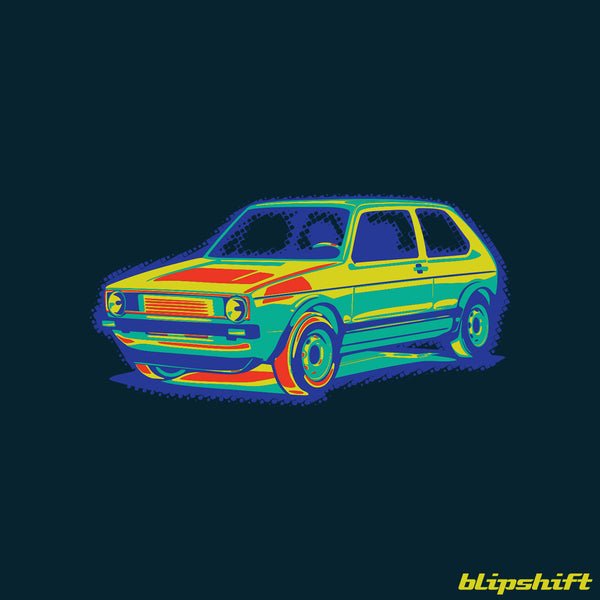

Any advice for fellow artists? How did you find the process overall?
I’m sure that all current blipshift artists know their own work, but maybe this text will reach new artists, so for them I should say: cheer up! The process with blipshift is very warm and seamless. Define an idea, check about resonance, work on that, and submit it as soon as it is polished enough to be examined. In my case, I always try to send a finished design, so there is little room for big changes. It sometimes happens, but most of the time a piece just works or not, and that’s ok. Once the submission was sent, it’s always exciting waiting for the answer, and to discover what the awesome people of blipshift think about my latest work.
The medium of tees can come with its own challenges, but I believe that the design process means playing with what's possible, so the technical limitations of a production process seem not only completely unobtrusive to me, but actually brilliant and very stimulating. At least for the style I like to develop, and given the need for garments to convey concise messages while also being efficient to produce, these restrictions act as an opportunity to use a few elements (colors, sizes, and minimal lines, combinations through textures) to tell the story we want to tell. It's very easy to think, "okay, two tones for the body and two grays for the rubber/chrome," but finding a way to say new things with the same "scarce" tools as everyone else is an excellent challenge to stimulate creativity. Okay, you have six inks, but nobody objects to the pose, the emphasis on a part of a vehicle, or some cultural reference. Or step back to see (instead of just a flashy car) an epic, an evolution, a narrative arc, or a simple but powerful pun that can be told with just one color.
During the final step of sending the neat file ready for the pre-print process, I find it helpful to have a well-organized working file, because all the layers, colors, effects, and masks can be a time-consuming mess at the printing stage (been there, done that). My take is to set a minimum hierarchy of layers, masks, colors, thinking that—being the least fun part of the illustration marvel—it should be brief but enough for the team to understand how to handle it and turn it into a fresh new tee.
Finally, I find working with blipshift as a superb way to enjoy this passion in the community, so go for it! And thanks to the team for the opportunity to share a little of my designer experience!
Thanks Germán for your ever-surprising eye and stunning drawing talents. Apex Everything!